Football finance expert Kieran Maguire says any discussion of Levy’s tenure must be framed by Tottenham becoming the “most profitable club in Premier League history” because of the money their new stadium generates, a historically lower wage structure and a “degree of caution” on transfer spending.
He describes Spurs as a “superb cash-making machine” who have “outperformed any other club in England”.
Maguire outlined:
-
His figures show that from 2001 to 2023, Tottenham made £171m profit. Burnley were second on £159m, with Arsenal third on £105m
-
In the past decade, Spurs have the sixth-highest total wage bill in the Premier League (£1.6bn vs Man City’s £2.9bn as the highest); the sixth-highest transfer spend (£1.3bn vs Chelsea’s £2.8bn as the most); with the fifth-highest net spend over a similar period
-
Tottenham fans pay among the highest season ticket prices and matchday prices in the top flight
-
Levy has the highest chief executive pay of Premier League clubs that declare such data. In 2023, the most recent figures available, Spurs’ highest-paid director – unnamed but assumed to be Levy – earned £6.6m.
What is it like to work under Levy?
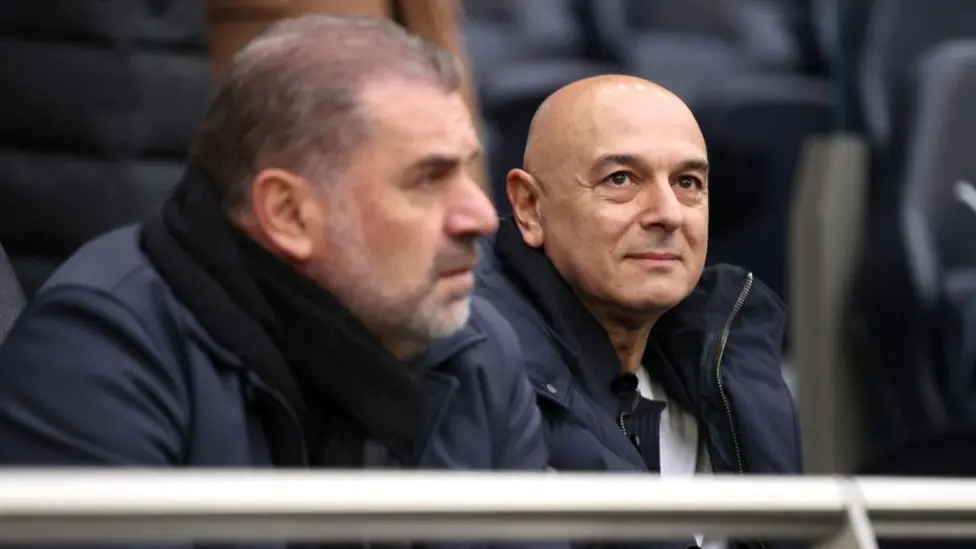
Daniel Levy has been Tottenham’s chairman since 2001
Club insiders describe Levy, 63, as “shy, quiet and hard-working” – and a man who loves the club and is affected by fan criticism. Multiple sources who know him have expressed respect for Tottenham’s progress under his leadership.
One source with knowledge of the inner workings of the club, who wished to remain anonymous, said Levy can be “very ruthless” but “genuinely wants the best for Spurs”.
They claimed some of the “own goals” – such as using the government furlough scheme during Covid in 2020 and more recently phasing out senior concession tickets – are partly because Levy does not “surround himself with the best people”.
They described the executive leadership and club board, which includes operations and finance director Matthew Collecott and executive director Donna-Maria Cullen, as “people too similar to him” who will “sit with their heads in their phones”, rather than “people who make up for [Levy’s] weaknesses”.
The source said Levy does not successfully deliver his messages about caring for the club because he is not a strong public speaker and chooses to avoid it, adding: “One interview or being visible once a year is not a lot.”
While Tottenham’s football structure has changed frequently, including technical directors, managing directors and heads of football operations, sources say the club rigidly sticks to “Levy’s philosophy and recruitment policy – to buy young players with promise who can add value”.
Another source who has worked with Levy in the Spurs hierarchy, also speaking anonymously, backed his passion for the club and said the idea the chairman does not care because he rarely shows emotion is “nonsense”.
They added that Levy is unrelenting – working “crazy” hours which can be tough and tiring for colleagues – and always wants more, something which can grate with people who do not like that style of leadership.